Practical advice on luxury wood flooring, designer furniture and creating spaces that last, from the team that has been sourcing exclusive wood products for nearly a decade.
Engineered vs. Solid Hardwood: Choosing the Right Luxury Floor
By ExquisiteSpace ·
Few choices influence the character of a room as strongly as the floor underfoot. When clients ask where to start, the opening question is nearly always the same: engineered or solid hardwood? Both can look stunning and both suit high-end interiors, yet they perform differently, and the better option hinges on where and how the floor will be used.
Solid hardwood is cut from one piece of timber across its entire thickness. Its biggest advantage is durability: a classic ¾-inch solid board can be sanded and refinished multiple times over the years, which explains why century-old solid floors remain in use today. The trade-off is movement. Solid wood swells and shrinks with seasonal humidity, so it works best in above-grade rooms with consistent climate control and is usually not advised directly over concrete slabs or radiant heating.
Engineered hardwood combines a genuine hardwood wear layer with a cross-layered core of plywood or high-density fiberboard. Since the layers run in opposing directions, engineered boards resist cupping and gapping much better than solid wood. That stability makes extra-wide planks, long lengths and installations over concrete, in basements or above radiant heat practical. A quality engineered floor with a thick wear layer can still be refinished, though fewer times than solid.
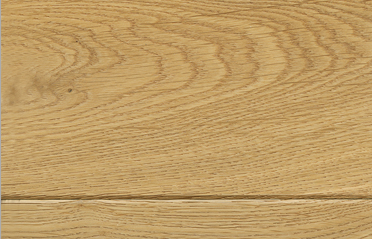
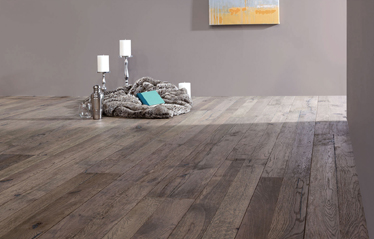
For most luxury projects, the deciding factors are plank width, subfloor and climate. If you picture wide, long planks with a wire-brushed or sawn texture, engineered construction is typically the wiser route. If you are restoring a traditional home with a wood subfloor and want a floor that can be renewed for generations, solid is difficult to surpass. The Woodstar collection, for instance, offers both engineered and solid wood flooring, so you can compare the two side by side before committing.
Live-Edge Slab Tables: What to Know Before You Buy
By ExquisiteSpace ·
A live-edge table preserves the tree's natural outer contour, the curve where bark once met wood, so no two are ever identical. That individuality is precisely why slab tables have become the focal point of so many dining rooms, boardrooms and restaurant floors.
Begin with the species. Walnut is valued for its deep chocolate tones and striking figure; acacia brings warm, varied grain and solid hardness; maple and ash appear lighter and more contemporary. Knots, checks and color shifts are not flaws. They are the character that makes a slab one of a kind, which is why makers such as Urban Hardwoods design each piece around the color, figure and shape of the individual slab.
Plan the size and base. Measure the room and allow roughly 36 inches of clearance between the table edge and walls or other furniture so chairs can slide out comfortably. Slabs are heavy, so the base must be built to carry the weight. Steel trestle and U-shaped bases are favored for their clean lines and stability, while a wood base can carry the natural look from top to floor.
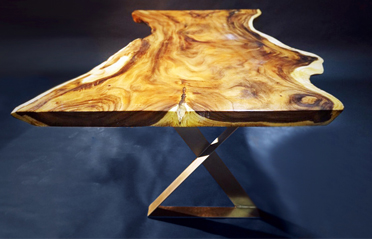
Select the finish. A matte finish, such as the one on the live-edge acacia slab from From Chef to Table in our collection, brings out natural texture and conceals everyday fingerprints, while a satin or gloss finish adds depth and makes the grain glow. Properly dried, finished and maintained, a quality slab table becomes a genuine heirloom.
How to Care for High-End Wood Floors Through Every Season
By ExquisiteSpace ·
A luxury wood floor is an investment that pays back a little routine care. The good news is that maintaining hardwood is easier than most people expect.
Clean gently and regularly. Sweep or vacuum with a soft-bristle attachment (no beater bar) to remove grit, which acts like sandpaper underfoot. Put mats at entrances and felt pads under furniture legs. For deeper cleaning, use a wood floor cleaner approved by your flooring manufacturer and a barely damp microfiber mop. Skip wet mops and steam cleaners, since standing water and steam can harm the finish and swell the boards.
Control humidity. Wood reacts to moisture in the air. Many manufacturers suggest keeping indoor relative humidity roughly between 35% and 55%. Using a humidifier in dry winter months and air conditioning or a dehumidifier in humid summers helps prevent gaps, cupping and cracks.
Shield from sunlight. UV exposure slowly alters the color of wood; some species darken while others lighten. Rotate rugs and furniture from time to time and use window treatments in sun-filled rooms so the floor ages evenly.
Refresh before you refinish. Depending on the finish and foot traffic, a floor may benefit from a maintenance recoat every few years, before wear reaches the wood itself. Oil-finished floors are usually renewed with a maintenance oil. Always check your manufacturer’s care guidelines first, since the right product depends on the finish.
Designing Commercial and Hospitality Spaces with Wood
By ExquisiteSpace ·
In restaurants, hotels, bars and offices, materials communicate who you are before anyone speaks. Wood adds warmth, acoustic softness and a sense of craftsmanship that stone and tile alone seldom match.
Durability comes first. Commercial floors endure far more traffic than a home. Specify flooring with a hard-wearing finish rated for commercial use, and consider engineered construction for stability in large, open spaces where temperature and humidity fluctuate. Textured surfaces such as wire-brushed or hand-scraped planks are also more forgiving of daily scuffs.
Pick furniture that works as hard as it looks. Bar stools, benches and communal tables need to be sturdy, comfortable and easy to clean. Pieces such as the Beckerman Bar Stool from Board by Design or the Walnut Bench from Urban Hardwoods combine durable construction with a distinctive silhouette.
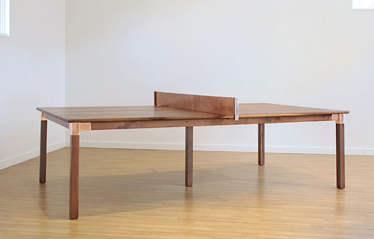
Create an experience. A game table such as District Mills’ Parsons Shuffleboard or Board by Design’s Bling Pong Table can turn a lounge, office break area or hotel lobby into a destination. Architectural finishes like Du Chateau’s wall coverings extend the wood story onto the walls for a cohesive look.
Plan early. Custom flooring and handcrafted furniture can take longer to produce than off-the-shelf options, so bring material selections into the design process early to protect your opening date.
Plan Your Next Project with ExquisiteSpace
Ready to put these ideas to work? Browse our curated flooring and furniture collections or reach out for personal recommendations.
Whether you are weighing engineered against solid hardwood, sizing a live-edge slab table or planning a commercial fit-out, the guides above are meant to make the decision clearer. Each article draws on the same sourcing and specification experience behind our flooring and furniture collections, so you can move from reading to selecting with confidence.